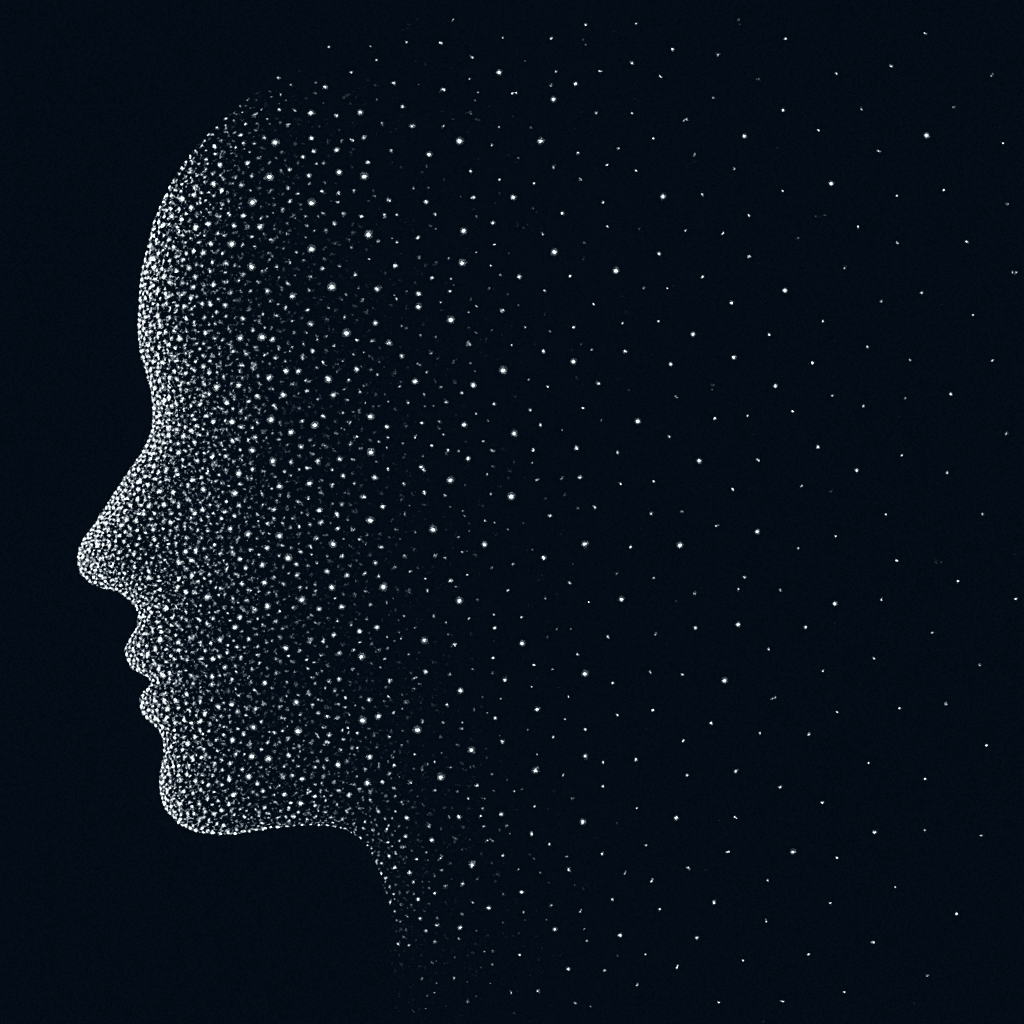
AI is shaking up the biotech world. The latest leap? Artificial intelligence can now generate blueprints for entirely new viruses. This isn’t science fiction—it’s real news from MIT Tech Review. Stanford PhD student Samuel King used generative AI to design microscopic viruses, at least at a conceptual level. The next step—turning these digital blueprints into actual life forms—isn’t so far-fetched anymore.
Let’s break down why this matters—not just for scientists, but for anyone working with AI: creators, entrepreneurs, and marketers looking for practical ways to apply these breakthroughs.
Generative AI in Biotech: What Just Happened?
In 2025, Samuel King, a Stanford PhD student, applied generative models (think of the kind that creates text or images) to propose new genetic sequences—the “blueprints” for viruses. This isn’t some wild experiment for its own sake. The same techniques could be used to accelerate vaccine development, discover treatments, or invent new biomaterials.
Right now, this is all happening in silico—AI suggests options, and scientists check them in the lab. But the technology already works: AI proposes viable candidates, and researchers can take those ideas further. The next major step is bringing these digital designs to life in the real world.
Why Should AI Creators and Marketers Care?
1. AI Is Becoming Truly Multidisciplinary
AI used to mean data analysis, text, or image generation. Now, it’s coming for biology, medicine, and chemistry. These are enormous markets that need creative solutions: automating drug discovery, developing custom biotech solutions, making personalized products.
2. Demand for AI Creativity Is Rising
It’s clear now: generative models aren’t just for writing blog posts. They can solve complex, technical problems. If you’re skilled at prompt engineering and thinking across disciplines, you’ll be in high demand in unexpected industries.
3. New Business Niches Are Opening Up
Biotech, healthcare, pharmaceuticals, agriculture—these fields are hungry for innovative AI products. There’s space for startups and platforms that blend AI with biotechnology, from generating research hypotheses to automating lab testing.
4. Marketing Faces New Challenges
AI products are getting more complex and directly impacting people’s lives. Communication strategies must evolve: how do you explain both the benefits and the risks? How do you build trust and navigate ethical and legal differences across markets?
Challenges and Risks: What You Need to Watch Out For
Ethical Considerations
Creating viruses with AI isn’t just a technical feat. Bioethics come to the forefront: who controls this tech? How do we prevent misuse—like designing dangerous pathogens? AI creators and entrepreneurs must prepare for new regulations and public debate.
Safety and Accountability
Any attempt to generate new forms of life introduces risks: biological weapons, accidental mutations, uncontrolled spread. Standards, audits, and transparency are needed for any AI-driven biotech project.
Technological Limits
For now, AI is generating only theoretical blueprints. But progress is fast. The pivotal moment will be when labs can turn these blueprints into real organisms quickly and at scale. Stay updated and deepen your technical understanding to see where things are heading.
How Can AI Creators Use This Trend Practically?
1. Embrace Interdisciplinary Thinking
Don’t stick to one area. The broader your perspective, the more opportunities you’ll spot for unique, in-demand solutions.
2. Learn to Frame AI Challenges Clearly
“Create a virus” is a tough prompt. Practice setting well-defined, cross-domain tasks for AI—whether in biology, marketing, or business.
3. Keep Ethics and Law in Mind
New standards and regulations for AI in biotech are already emerging. Your responsibility goes beyond technology: be ready to address safety and transparency.
4. Seek Out Non-Obvious Niches
Beyond biotech, there are many fields where generative AI can be revolutionary: materials science, ecology, agriculture, medicine. Analyze where your skills could make a difference.
5. Build Partnerships
These complex areas aren’t easy to tackle solo. Find collaborators—biologists, lawyers, technologists—and create new products together, while meeting all required standards.
What to do right now
- Explore real-world AI use cases in biotech — Read up on the latest research to understand what generative models can actually do.
- Sharpen your prompt engineering skills — Practice framing interdisciplinary prompts for AI.
- Follow industry news — Subscribe to biotech and AI sources to stay on top of trends.
- Brush up on legal basics — Make sure you understand the ethics and regulations around AI in new domains.
- Connect with like-minded collaborators — Start building teams for joint AI-biotech projects.
More hands-on AI tools and templates — in my courses.
Based on materials from MIT Tech Review